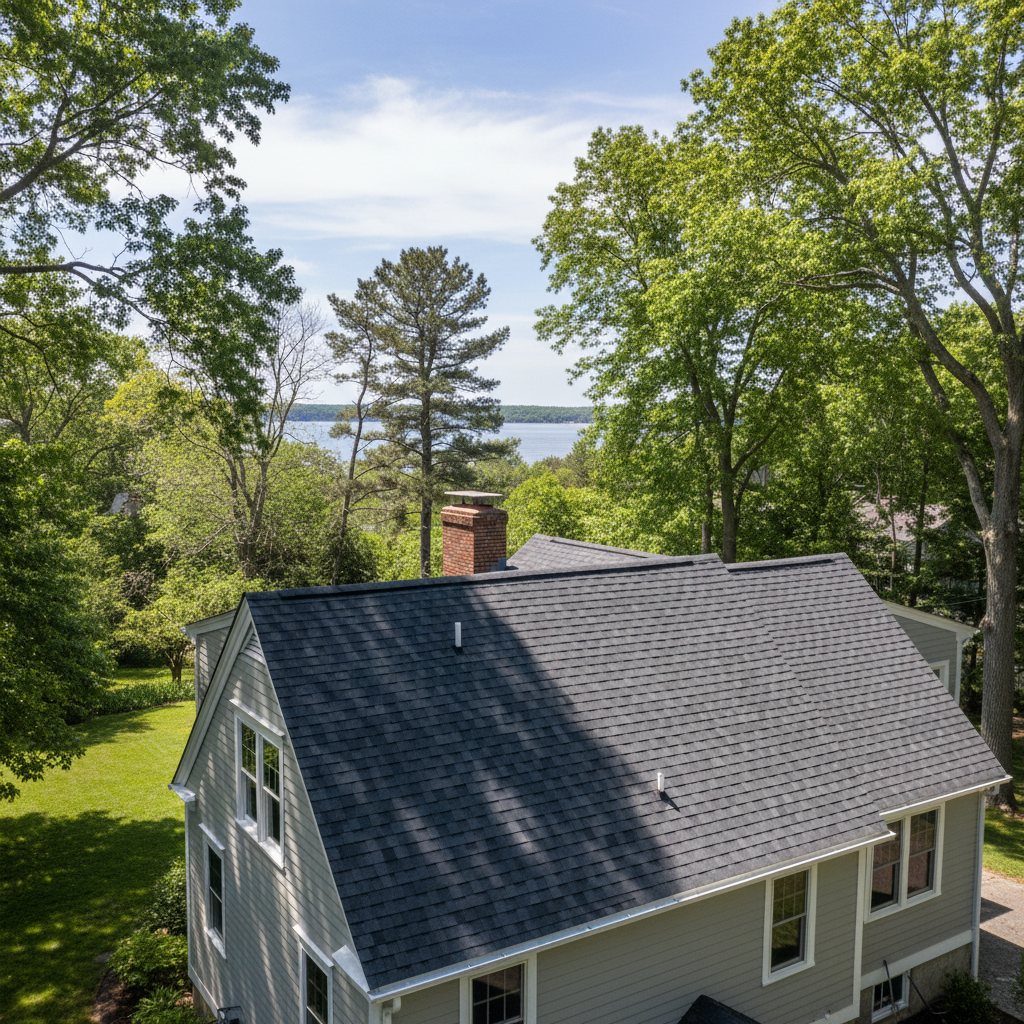
So, you've just put a brand-new roof on your home, maybe it's a fresh build down by Wickford or a big renovation up on Ten Rod Road. That's awesome! A new roof isn't just about looking good; it's your home's main defense against our crazy Rhode Island weather. But here's the thing: "new" doesn't mean "you can forget about it." Just like a new car, a new roof needs a little care to last as long as it should. You want to protect that investment, don't you? Of course you do.
Making Your Roof Last Longer, Right From the Start
The biggest mistake I see homeowners make is thinking that because a roof is new, it's indestructible. It's not. Even the best materials and installation, like what we do at Spectrum Roofing Solutions, get a boost from proactive care. Think of it like preventative medicine for your house.
First, keep an eye on your gutters. Seriously. Our fall foliage in North Kingstown is beautiful, but all those leaves eventually end up in your gutters. Clogged gutters mean water can't drain. That water backs up, sits on your fascia boards, and can even seep under your shingles, leading to rot and early wear. Clean them out at least twice a year, especially after the leaves drop and again in the spring. If you've got a lot of trees, you might need to do it more often. Consider gutter guards if you're tired of climbing ladders, which, let's be honest, most of us are.
Another big one is attic ventilation. This is super important, especially with our humid summers and cold, snowy winters. Good ventilation helps control attic temperature and moisture. Without it, heat builds up in the summer, literally baking your shingles from underneath and cutting their life short. In winter, bad ventilation can cause ice dams and condensation, which can lead to mold and rot. Make sure your soffit and ridge vents aren't blocked, either by insulation or debris.
What "Regular Maintenance" Actually Means
Beyond gutters and ventilation, there are a few other simple things you can do. You don't need to be up on the roof every weekend, but a quick visual check from the ground a couple of times a year really helps.
- Trim those trees: If you've got branches hanging over or touching your roof, get them trimmed back. They can scrape shingles, drop debris, and even provide a pathway for pests. Plus, a heavy branch can do serious damage in a winter storm.
- Check for debris: After a big storm, especially those nor'easters we get, take a look for fallen branches, leaves, or anything else that might have landed on your roof. Clear it off safely.
- Inspect flashing: Flashing around chimneys, skylights, and vent pipes is critical. It's often metal and designed to direct water away. Make sure it's not bent, rusted, or pulling away.
- Look at your shingles: From the ground, can you see any curled, cracked, or missing shingles? Any areas where the granules look worn off? These are signs to address.
Honestly, the best maintenance is often just paying attention. Your roof is talking to you; you just need to listen.
Warning Signs You Can't Ignore
Sometimes, despite your best efforts, problems pop up. Knowing what to look for can save you a lot of headache and money later on. Don't wait until you have a bucket under a drip in your living room.
- Stains on ceilings or walls: This is the most obvious sign of a leak. Don't dismiss it. Even a small stain can indicate a bigger issue that's been festering for a while.
- Missing or damaged shingles: If you see shingles in your yard after a windy day, that's a clear signal. Even a few missing shingles leave your underlayment exposed.
- Granules in gutters: If you have asphalt shingles and you're seeing a lot of sandy, gritty material in your gutters, that's the protective top layer of your shingles wearing off. It's a sign of aging, even if the roof is relatively new.
- Sagging roof deck: If you can see a noticeable dip or sag in your roofline from the street, that's a serious structural issue that needs immediate attention.
- Higher energy bills: Sometimes a roof problem isn't visible. If your heating or cooling bills suddenly spike without explanation, it could be due to poor insulation or ventilation issues related to your roof.
When to Call a Professional (That's Us!)
Look, I'm a big believer in DIY when it's safe and smart. But when it comes to your roof, there are times you absolutely need to call in the pros. If you're uncomfortable getting on a ladder, if the roof is steep, or if you just don't know what you're looking at, that's when you call Spectrum Roofing Solutions. We've got the training, the safety equipment, and the experience to diagnose and fix problems correctly.
You should definitely call us if:
- You suspect a leak but can't find the source.
- You notice significant shingle damage or missing shingles.
- You see any signs of structural damage or sagging.
- You've had a severe storm and want a professional inspection.
- You're seeing recurring issues that you can't seem to fix yourself.
Don't put off repairs. A small leak today can turn into major structural damage, mold, and costly interior repairs tomorrow. Especially with our freeze-thaw cycles here in Rhode Island, a tiny crack can become a huge problem very quickly. Your new roof is a long-term investment; treat it that way, and it'll protect your home for decades to come.