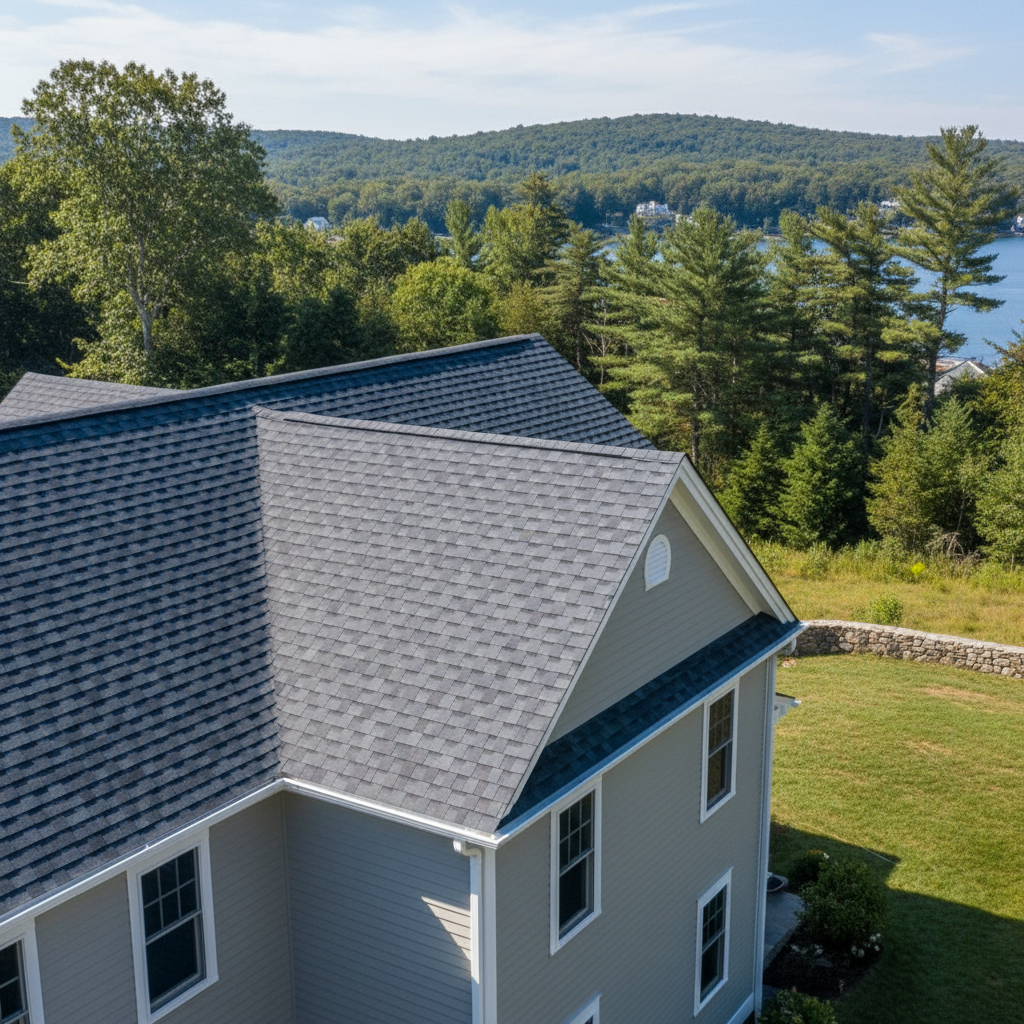
So, you've just put up a new home or had a fresh roof installed here in North Kingstown. That's a big deal, a significant investment in your property. You might think, "Great, I'm good for 20, 30 years, maybe more." And you are, mostly. But a "maintenance-free" roof? That's a myth, especially with the kind of weather we get around Narragansett Bay. Even the best new construction roof needs a little love to hit its full lifespan. You wouldn't buy a new car and never change the oil, right? Same principle applies here.
Extending Your Roof's Lifespan: It's All About Prevention
The biggest thing you can do to make your new roof last longer is pretty simple: keep an eye on it and fix small issues before they blow up into big headaches. Our climate here in Rhode Island, with those harsh winters, heavy snow loads, and then the baking sun in summer, really puts a roof to the test. You've got to be proactive.
- Keep it Clean: This is huge. Debris like leaves, pine needles (especially if you're in an area like Saunderstown with a lot of mature trees), and twigs can trap moisture. That trapped moisture is a breeding ground for moss, algae, and eventually, rot. It can also block gutters and downspouts, leading to water backing up under your shingles or flashing. A good cleaning once or twice a year, especially after fall, is essential.
- Trim Those Trees: Overhanging branches are a roof's enemy. They drop debris, scratch the surface of your shingles, and can even fall and cause direct damage during a storm. Keep them trimmed back at least 6-10 feet from your roofline.
- Ventilation is Key: Your attic needs to breathe. Good attic ventilation prevents heat and moisture buildup, which can cook your shingles from the inside out in summer and lead to ice dams in winter. Make sure your soffit and ridge vents aren't blocked by insulation or debris.
- Mind Your Gutters: Clogged gutters are a primary cause of water damage. When water can't drain away, it overflows, often soaking the fascia boards, siding, and even finding its way into your foundation. Clean them out regularly, especially before winter hits.
What Regular Maintenance Looks Like for a New Roof
For a new construction roof, regular maintenance isn't about fixing things right away; it's about checking things so you don't have to fix them later. I tell folks to do a visual check from the ground every few months, and then a more thorough check from a ladder (safely, please!) or with binoculars twice a year – once in spring after the winter abuse, and again in the fall before the next winter. What are you looking for?
- Shingles: Are they lying flat? Are there any curled, cracked, or missing ones? Even a brand-new roof can have a shingle lift in a strong gust.
- Flashing: This is the metal work around chimneys, skylights, vents, and wall junctions. It's critical for shedding water. Look for any signs of lifting, rust, or sealant that's cracked or missing.
- Sealants: Check around pipe boots and other penetrations. The sun and cold can make sealants brittle over time.
- Gutters and Downspouts: Are they clear? Are they securely fastened? Is water flowing freely from your downspouts?
- Attic Inspection: Grab a flashlight and head into your attic. Look for any signs of water stains on the underside of the roof decking, especially after a heavy rain or snowmelt. Also, check for proper airflow.
Warning Signs That Something's Amiss
Even with a new roof, problems can crop up. Knowing what to look for can save you a lot of grief and money. Don't ignore these signals:
- Granule Loss: If you see a lot of shingle granules washing into your gutters or downspouts, especially on an asphalt shingle roof, that's a sign your shingles are aging prematurely or taking a beating.
- Water Stains Indoors: This is a big one. Any discoloration on your ceilings or walls, especially on the top floor, means water is getting in. Don't assume it's just a plumbing leak.
- Sagging: If you notice any part of your roofline sagging, that's a serious structural issue that needs immediate attention.
- Moss, Algae, or Fungi Growth: While some green streaks might just be aesthetic, extensive growth indicates moisture retention, which can degrade your roofing materials.
- High Energy Bills: Sometimes, a failing roof or poor ventilation can lead to your HVAC system working overtime, driving up your utility costs.
When to Call a Professional (Like Us!)
Look, I'm all for homeowners being handy, but some things are best left to the pros. If you spot any of the serious warning signs I just mentioned, or if you're just not comfortable getting up on a ladder, that's when you call Spectrum Roofing Solutions. We've got the experience and the right equipment to safely inspect your roof and identify the root cause of any issues. Don't try to patch a serious leak yourself; you could make it worse or, more importantly, put yourself in danger. Even for routine checks, if you're not sure what you're looking at, a professional inspection can really help. We're right here in North Kingstown, we know these roofs and this climate, and we're always happy to help you keep your new roof in top shape for years to come.