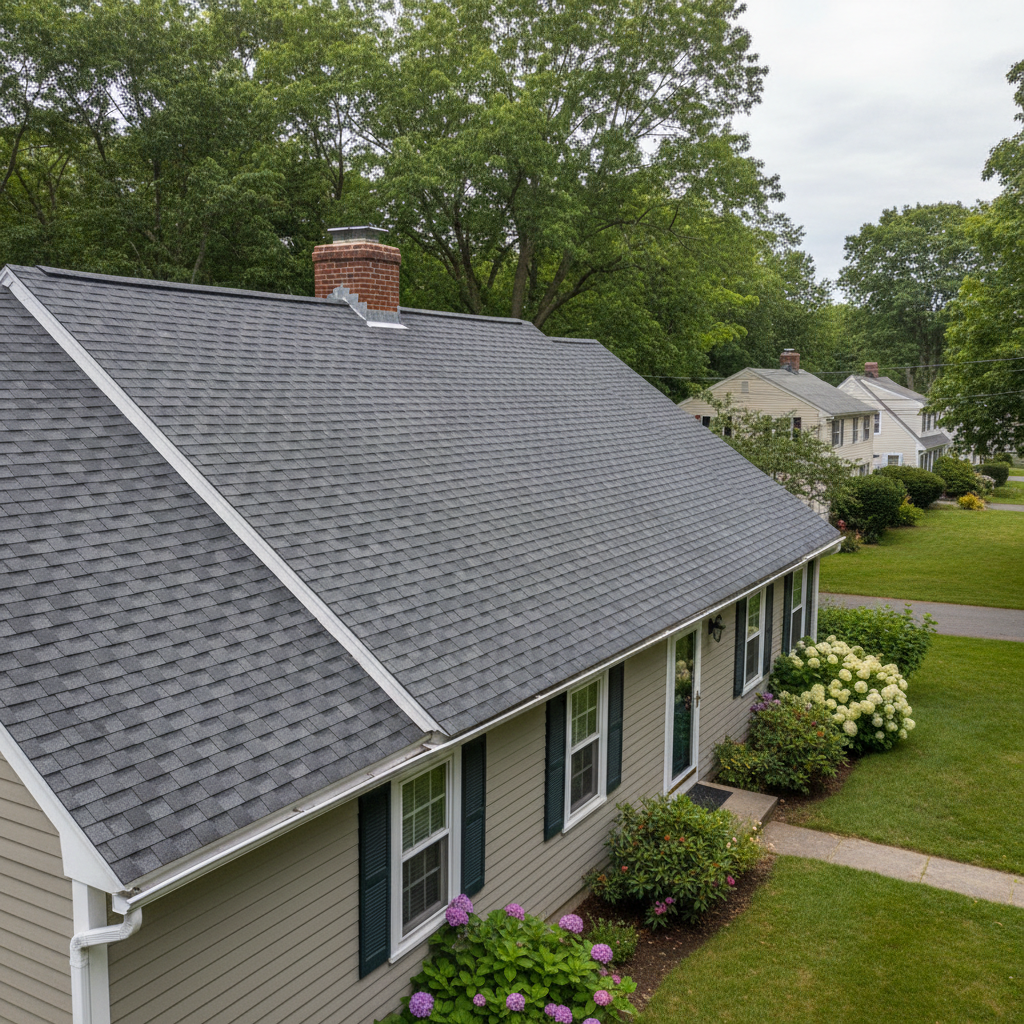
You've got a roof over your head, and you want it to stay there for a long, long time. I get that. A new roof is a big investment, after all, and keeping it in good shape means you won't be shelling out for major repairs any sooner than you have to. Here in North Kingstown, our roofs really take a beating. From those brutal nor'easters that dump feet of snow to the humid summers that can encourage moss growth, it's not an easy life up there. That's why regular, proactive inspection is so crucial, wouldn't you agree?
Extending Your Roof's Lifespan
The best way to make your roof last? Don't ignore it until it's leaking. It sounds simple, but you'd be surprised how many folks do just that. Think of it like changing the oil in your car. A little regular attention goes a long way. For us in Rhode Island, that means being extra vigilant after any significant weather event — a big windstorm, a heavy snowfall, or even just a prolonged period of rain.
Keeping your gutters clear is probably the easiest thing you can do. Clogged gutters mean water can't drain properly. It backs up, sits on your fascia boards, and can even seep under your shingles. That's a recipe for rot and water damage, especially around the eaves of older homes in places like Saunderstown, where you often see mature trees shedding leaves all season.
Another thing to consider is trimming back any overhanging tree branches. They scrape against shingles, wear down granules, and drop debris that holds moisture. Plus, a heavy branch falling in a storm is a surefire way to punch a hole right through your roof, and nobody wants that.
What Regular Maintenance Looks Like
You don't need to be up on your roof every week, but a good visual check from the ground a couple of times a year is a smart move. Grab a pair of binoculars if you need to. I usually tell people to do it in the spring after the last of the winter weather, and again in the fall before the leaves really start coming down. If you're comfortable and have the right safety gear, a walk-around on the roof itself can give you a closer look.
- Check your gutters: Make sure they're clear of leaves, twigs, and shingle granules. If you see a lot of granules, that's a sign your shingles are aging.
- Look at your shingles: Are any curled, cracked, missing, or buckling? Are there any dark, algae-like streaks? That's common in our humid climate, but heavy moss can lift shingles and trap moisture.
- Inspect flashing: This is the metal around chimneys, skylights, and vents. It's crucial for keeping water out. Look for any bends, cracks, or separation.
- Clear off debris: Get rid of any leaves, branches, or other junk that's accumulated, especially in valleys where water naturally flows.
- Look inside: Head up to your attic. Look for water stains on the underside of the roof decking, damp insulation, or signs of mold.
Warning Signs of Problems
Some things just scream 'trouble.' Don't ignore these:
- Water stains on your ceiling or walls: This is the most obvious sign, but it means the leak has been going on for a while.
- Missing or damaged shingles: Even one missing shingle can let a surprising amount of water in during a downpour.
- Granules in your gutters: A few are normal, but a significant amount means your shingles are losing their protective layer.
- Sagging roof deck: This is a serious structural issue and needs immediate attention.
- Peeling paint on overhangs: Often a sign of trapped moisture or poor ventilation.
- High energy bills: Sometimes, a compromised roof or poor attic ventilation can lead to your heating and cooling systems working overtime.
When to Call a Professional
Look, I'm a big believer in homeowners being informed, but there's a point where you need an expert. If you see any of those serious warning signs, or if you're just not comfortable getting up on your roof, that's when you call us. We've got the training, the safety equipment, and the experience to spot things you might miss. We can identify subtle issues that could turn into big problems down the road, like a tiny crack in flashing or a soft spot in the decking that's not yet visible from inside.
After a major storm, especially one with high winds or hail, it's always a good idea to get a professional inspection. Even if you don't see obvious damage, things can be compromised. We're used to dealing with insurance companies too, which can be a headache for homeowners. At Spectrum Roofing Solutions, we do thorough inspections and give you an honest assessment of what your roof needs, not what we want to sell you. Your roof is your home's first line of defense against our wild New England weather, so let's keep it strong.