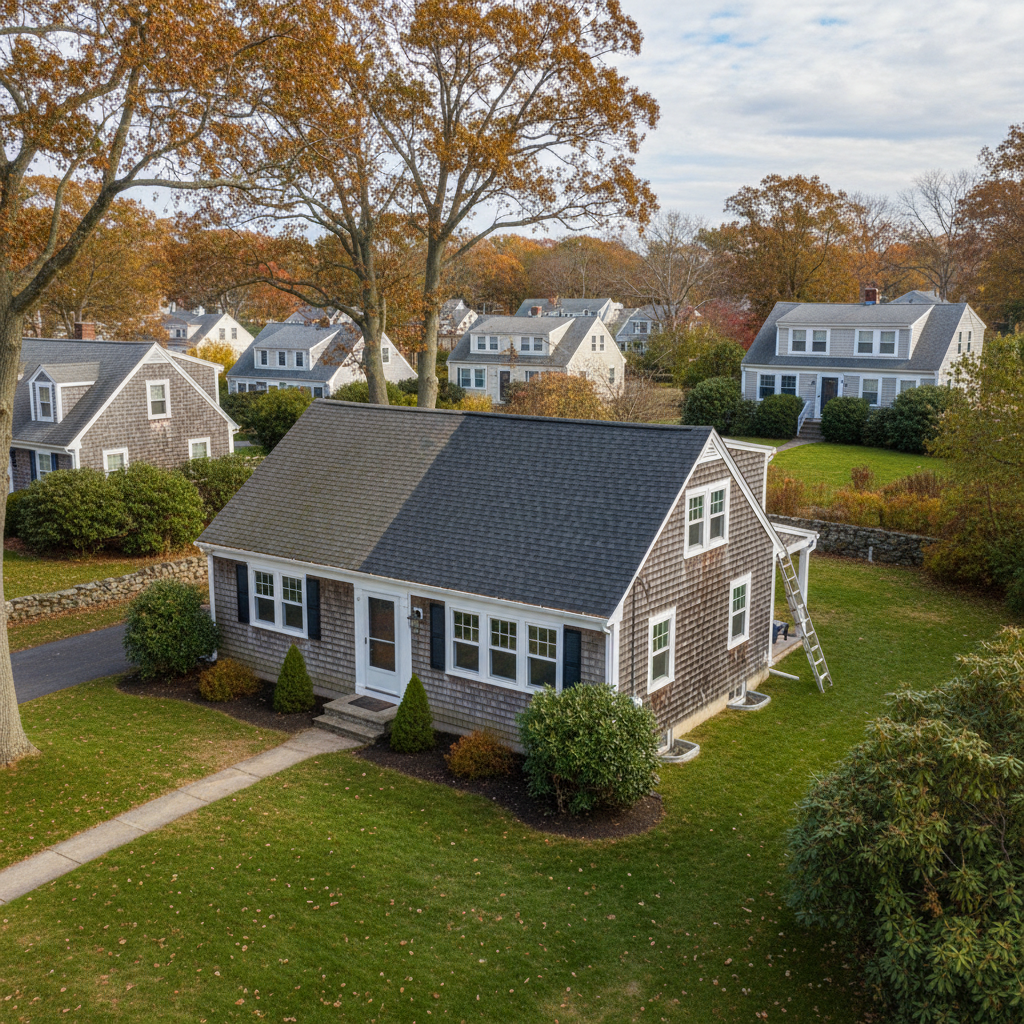
You spot a drip, maybe a stain on the ceiling. Your first thought probably jumps to, "My roof's leaking, gotta get it fixed." And you're absolutely right, you do. But around North Kingstown, with our mix of old historic homes and shiny new builds, roof repair often means digging a lot deeper than just patching the spot where water's coming in.
The Usual Suspects: What I See Most Often
When someone calls me about a roof problem, it's rarely just one thing. Our weather, oh boy, it plays a huge role. Those brutal winter storms, with heavy, wet snow, then ice dams, then the spring thaws, and finally the summer humidity – it's a constant, punishing cycle for any roof. I've seen it all: shingles ripped off after a nor'easter, and then the subtle, slow damage that's been quietly brewing for years.
Here are some of the common headaches I'm tackling on roofs all over, from Wickford Village to those newer developments further south:
- Wind Damage: This isn't always obvious. A shingle might just be lifted, not completely gone, but that little lift creates a weak point. Water can sneak right under there. The winds off Narragansett Bay can be relentless, you know? They just love finding those weak spots.
- Flashing Failures: Now, this is a big one. The metal flashing around chimneys, skylights, and vent pipes? It's absolutely critical. If it's old, or wasn't put in right, or just got hammered by the elements, it's a prime entry point for water. I've traced countless leaks back to compromised flashing that looked perfectly fine from the ground.
- Granule Loss: Over time, the protective granules on asphalt shingles just wear off. This leaves the asphalt exposed to UV rays, making it brittle and cutting short the shingle's life. You might spot a bunch of granules in your gutters; that's a clear sign your roof is aging and losing its defense.
- Ponding Water: Flat or low-slope roofs, like you find on some additions or commercial buildings, can run into trouble with water pooling. If the drainage isn't perfect, that standing water will eventually, inevitably, find a way through.
- Ventilation Problems: This isn't a direct leak source, but poor attic ventilation can cause a ton of other issues. In winter, it can help create ice dams. In summer, it can literally cook your shingles from the inside out, speeding up their breakdown. It's kind of a silent killer for many roofs.
Why Local Expertise Isn't Just a Buzzword
Sure, you can call any roofing company. But someone who's actually been working on roofs in North Kingstown for years, like us at Spectrum Roofing Solutions, really understands the little things. We know that homes in the historic district might have different roofing materials or structural quirks than, say, a house built in the 80s down by the water. We've seen how the salt air affects certain materials, or how those prevailing winds from the southwest tend to cause damage on specific roof slopes.
For instance, I know that many homes built in the 60s and 70s around the Post Road area often have original ventilation systems that just aren't good enough for today's standards or our increasingly wild weather. When I'm up there, I'm not just looking for the obvious leak; I'm looking at the whole system, figuring out how it interacts with our specific climate and building styles.
It's really about more than just fixing the symptom. It's about figuring out the root cause. A generic roofer might patch a leak, but a local expert will pinpoint why that leak happened in the first place and suggest ways to keep it from coming back.
The Hidden Damage: What You Can't See
Often, the damage you spot inside your home – that water stain, for example – is just the tip of the iceberg. By the time water works its way through your roof deck, insulation, and ceiling, it's had plenty of time to do some serious damage. I've pulled back shingles and found rotten plywood sheathing, compromised rafters, or even mold growth that's been there for months, maybe years. That's why a super thorough inspection is so important.
We don't just go up, slap some tar down, and call it a day, no way. We're looking for soft spots, signs of wood rot, lifted shingles that haven't quite let water in yet, and the overall condition of your flashing and vents. Sometimes, a small repair now can prevent a much bigger, more expensive problem later on. Ignoring a minor issue just because it's not actively dripping can lead to needing a full roof replacement sooner than you'd ever want.
Don't Wait for the Drip
My advice? Seriously, don't wait until you see water inside your house. If you notice anything out of the ordinary – a missing shingle, granules in the gutters, or even just a gut feeling that something isn't quite right – get it checked out. Our Rhode Island weather is famously unpredictable, and your roof is your home's very first line of defense.
A quick inspection can save you a ton of headaches and money. We're always happy to come out, take a look, and give you an honest assessment of what's going on up there. It's what we do, and it's how we help keep North Kingstown homes safe and dry.