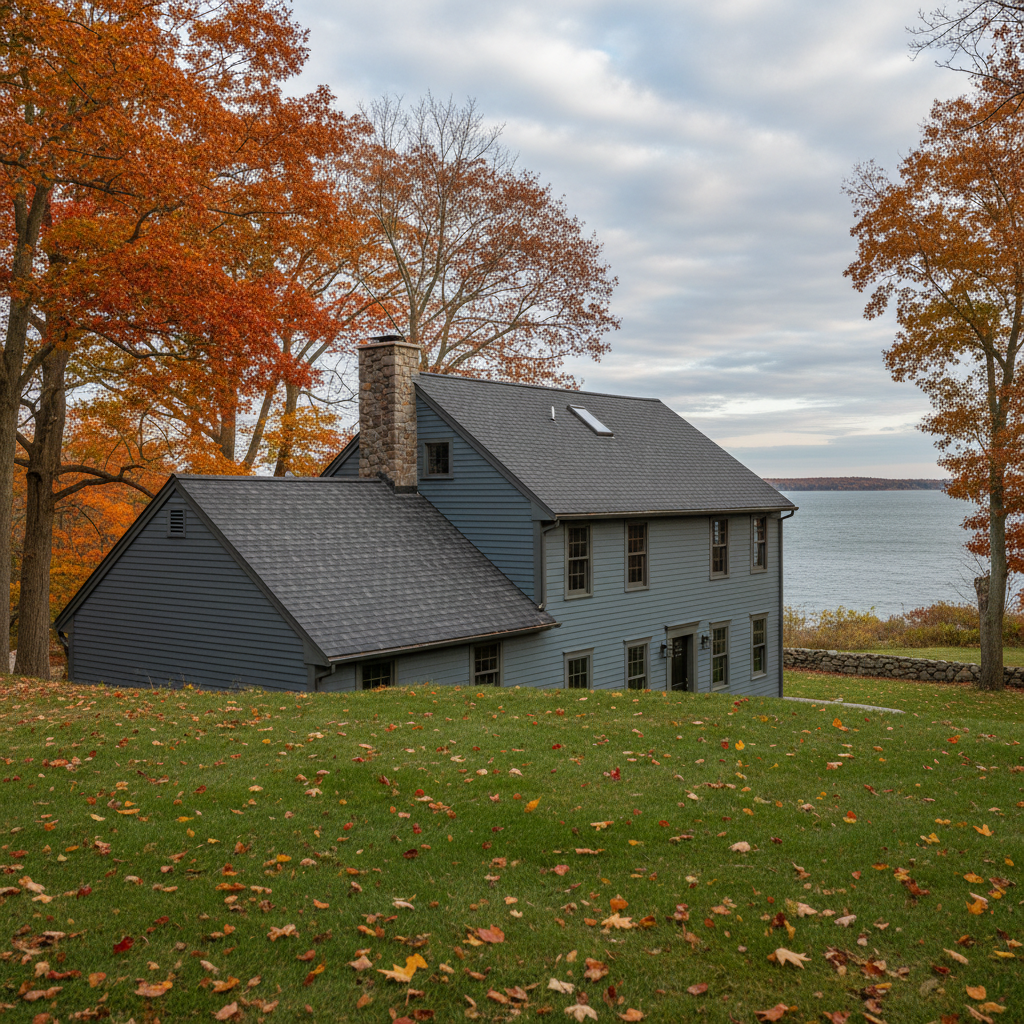
When's the best time to put on a new roof here in North Kingstown? That's a question I get a lot, and honestly, it's a really good one. You might think it doesn't matter much, but our Rhode Island climate — with its coastal winds and those wild, unpredictable swings — truly plays a big role in how well your new roof goes on and, more importantly, how long it lasts.
Why Roof Timing Matters for Your North Kingstown Home
You wouldn't plant a garden in January, would you? It's the same basic idea with a roof. The materials themselves, the crew doing the work, and the overall quality of the installation are all affected by the weather outside. We're not just talking about keeping the guys on the ladder comfortable; we're talking about how the shingles seal up, how the underlayment lays flat, and how everything holds together against the elements once we're finished.
Here in North Kingstown, we've got that unique mix of coastal exposure and those inland temperature shifts. One day it's mild, then the next you're bracing for a nor'easter. This isn't like roofing in Arizona, believe me. Our asphalt shingles, for instance, need specific temperatures to properly activate their sealant strips. If it's too cold, they won't seal right away, which leaves them much more vulnerable to wind uplift. If it gets too hot, they can become too soft and easily damaged during installation. Metal roofs? They have their own considerations too, mostly around expansion and contraction.
The Best Times to Schedule Your Roof Installation
Generally speaking, I tell folks that spring and fall are your sweet spots for roofing work around here. Temperatures are usually moderate then, not too hot and not too cold. This allows for optimal material handling and proper sealing, which is crucial.
- Spring (April to June): This is after the last of the winter chill has passed, but before that sticky, humid summer heat really sets in. You might get some rain, sure, but we can usually work around it. The ground isn't frozen, which is nice for debris removal and getting equipment where it needs to be, especially if you've got a tricky yard or, say, a septic system to consider.
- Fall (September to November): Once those scorching summer days are finally behind us, and before the real cold and snow hit. Again, you get those good, moderate temperatures. The leaves can be a bit of a pain, but we manage. This is a popular time, so if you're thinking fall, you'll definitely want to schedule well in advance.
Summer can work, but you'll have to contend with the heat. It makes the work harder, and it can make shingles very soft. We take precautions, of course, but it's not ideal. Winter? We try to avoid major installations then unless it's a genuine emergency. Frozen decks, icy conditions, and materials that just don't want to seal properly aren't worth the risk to quality or safety, in my opinion.
Weather Conditions That Affect the Work
It's not just the season; it's also the daily forecast. Here's what we're always watching closely:
- Rain: Obvious, right? You simply can't roof in the rain. Water getting under new materials is a recipe for disaster down the line. We always keep a close eye on the radar.
- High Winds: Especially here, with that ocean breeze coming off Narragansett Bay. High winds can make it dangerous for the crew, blow materials around, and even damage newly laid shingles before they've had a chance to seal properly.
- Extreme Cold: Shingles get brittle, sealants don't activate, and it's just plain dangerous for the crew.
- Extreme Heat: Softens shingles, makes them prone to scuffing, and can be really tough on the crew.
Sometimes, we might have to reschedule due to weather, even if it's just for a few days. It's never fun to push a job, but it's always for the safety of our crew and the longevity of your roof. We won't cut corners just to hit a deadline if the weather isn't cooperating; that's a promise.
Protecting Your Investment Year-Round
Once your new roof is on, whether it's from Spectrum Roofing Solutions or someone else, you've got to protect it. Here's how:
- Regular Inspections: I always recommend a professional inspection every couple of years, or after any major storm. You can do a visual check from the ground yourself for obvious issues like missing shingles or debris, which is a good first step.
- Clear Gutters: This is huge, absolutely huge. Clogged gutters cause water to back up, leading to rot, ice dams in winter, and fascia damage. It's a simple fix that prevents big problems.
- Trim Trees: If you've got trees overhanging your roof, keep them trimmed back. Branches rubbing can wear down shingles, and falling limbs are a major cause of damage. This is especially true for those beautiful old oaks you see in places like Wickford Village.
- Ventilation: Make sure your attic is properly ventilated. Poor ventilation can lead to heat and moisture buildup, which shortens the life of your shingles and can cause mold.
A new roof is a big investment in your home. By understanding how our local climate impacts installation and by taking good care of it afterward, you're ensuring it'll protect your family for decades to come. Don't hesitate to reach out if you've got questions about your specific situation or need an assessment; we're here to help.