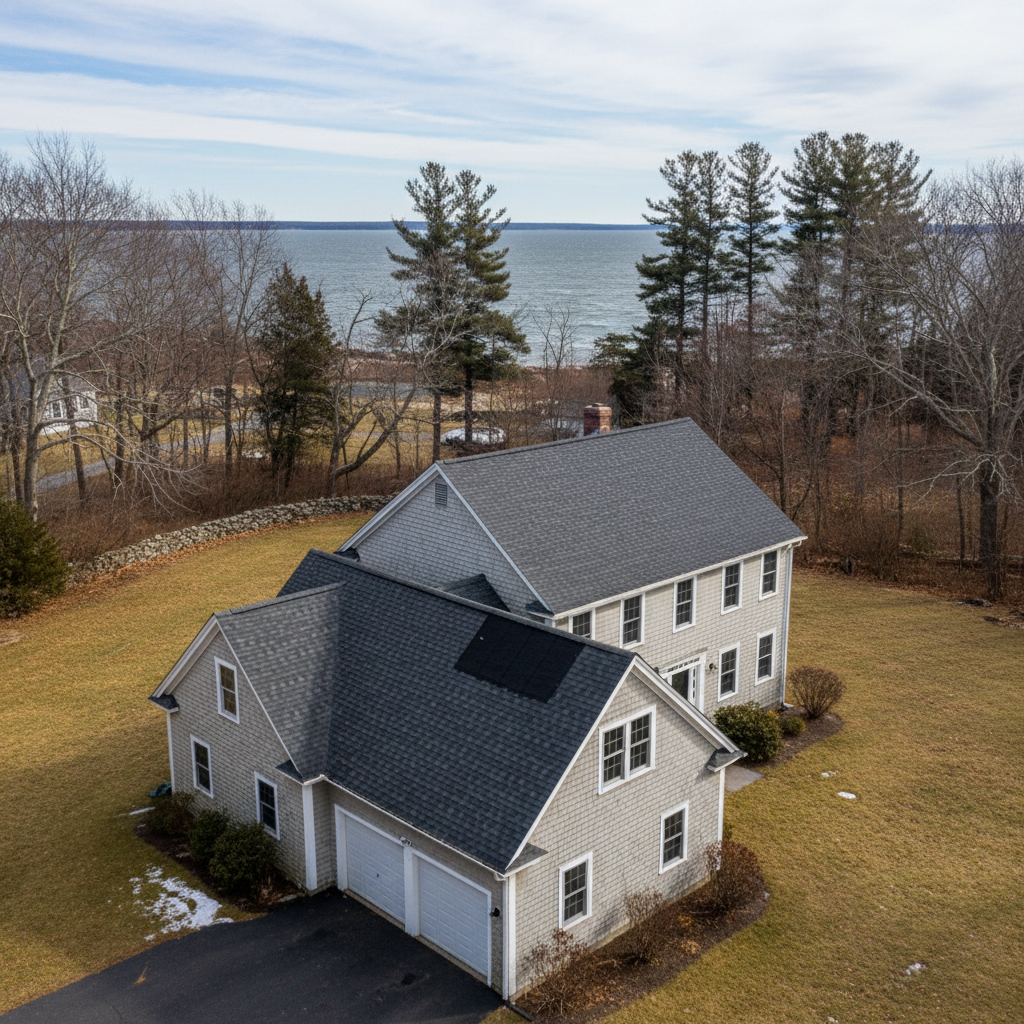
You've just dealt with a nasty storm, maybe one of those nor'easters that really whip things up off Narragansett Bay, and now you're staring at your roof, wondering what to do next. It’s a pretty common story for folks here in North Kingstown. When it comes to fixing storm damage, timing is everything, and so is understanding our local weather patterns.
Don't Wait, But Don't Panic Either
First off, if you see obvious damage – missing shingles, a tree branch poking through the roof, water actively dripping into your attic – you need to get that checked out immediately. That's not something you can just 'wait and see' about. But even for the less obvious stuff, like a few curled shingles or some granule loss, it’s still important to deal with it quickly. Small problems can turn into big, expensive headaches if you ignore them, especially with Rhode Island's famously unpredictable weather.
I've seen too many homeowners think, 'Oh, it's just a little bit of damage; I'll get to it next spring.' Then we get a heavy winter with ice dams, or a particularly wet spring, and that 'little bit' of damage turns into widespread rot or interior water damage. You really don't want to be dealing with that, believe me. Get a professional assessment as soon as it's safe after a storm. We can often tarp off damaged areas quickly to prevent further issues while you sort out insurance or schedule the full repairs.
How Weather Affects Repair Work
Our climate here in North Kingstown really dictates when and how we can tackle certain repairs. You can't exactly slap on new shingles in a blizzard, right? Or try to seal a leak in a downpour.
- Cold Weather: When temperatures dip below 40-45 degrees Fahrenheit, asphalt shingles get brittle. They don't seal properly, and they're much more likely to crack when we handle them. We can do emergency repairs, like tarping, in colder weather, but full shingle replacements often need to wait for a warmer stretch. This is especially true for those older homes around Wickford Village with their steep, historic roofs.
- Wet Conditions: Working on a wet roof is dangerous, plain and simple. Plus, you can't properly install new roofing materials onto a wet deck or apply sealants effectively. We need dry conditions for quality work.
- Wind: High winds? No way. It's unsafe for our crew, and it makes installing materials like shingles or flashing incredibly difficult, if not impossible, to do correctly.
- Heat: Believe it or not, extreme heat can also be a factor. While not as restrictive as cold, very hot days can make walking on asphalt shingles tricky and can affect how some sealants cure.
So, what does all this mean for you? It means after a storm, especially in late fall or winter, we might put in temporary fixes to protect your home. Then, we'll schedule the full repair for when the weather cooperates. Spring and early fall are usually prime time for extensive roof work around here because of the milder temperatures and generally drier conditions.
Protecting Your Investment Year-Round
Your roof is a big investment, and protecting it means being proactive, not just reacting after a storm. Here’s what I recommend:
First, get regular inspections. I tell all my clients, even if you think your roof is fine, have someone who knows what they're looking for give it a once-over every couple of years. We can spot small issues – like loose flashing around a chimney or a few worn shingles – before they become major problems during a storm. It’s a lot like getting your car's oil changed; it prevents bigger breakdowns.
Keep your gutters clean. Seriously, this is huge. Clogged gutters can cause water to back up under your shingles, leading to rot and leaks, especially during heavy rains or when snow melts. It also contributes to ice dam formation in winter, which can really devastate your roof's edge and fascia.
Trim back overhanging branches. If you've got trees close to your house, make sure they're not scraping against your roof or have dead branches that could fall during a windy storm. It's a simple preventative measure that can save you thousands in repair costs.
At Spectrum Roofing Solutions, we’re all about helping North Kingstown homeowners keep their roofs in top shape. Don't let storm damage stress you out. Give us a call, and we'll help you figure out the best plan of action, no matter what the weather's doing.